A Frightening Intrusion Raises Tough Questions About Public Safety and Mental Health
An Oklahoma City family is grappling with fear and anger after a man with a long history in the criminal legal system was arrested for allegedly breaking into their home and climbing into bed with their 11-year-old child while the family slept.
According to local reports, the incident unfolded early on March 14, when Josh Hodnik said he was awakened by his son, who told him a stranger was lying in his bed. At first, Hodnik assumed his child must have been dreaming.
“My son woke me up and said there was a man in his bed,” Hodnik told local media. “I thought he was imagining it.”
But when Hodnik checked the room himself, he found an adult man lying beside his child. The suspect allegedly had brought his own blanket and was partially undressed. The discovery sent a shock through the household.
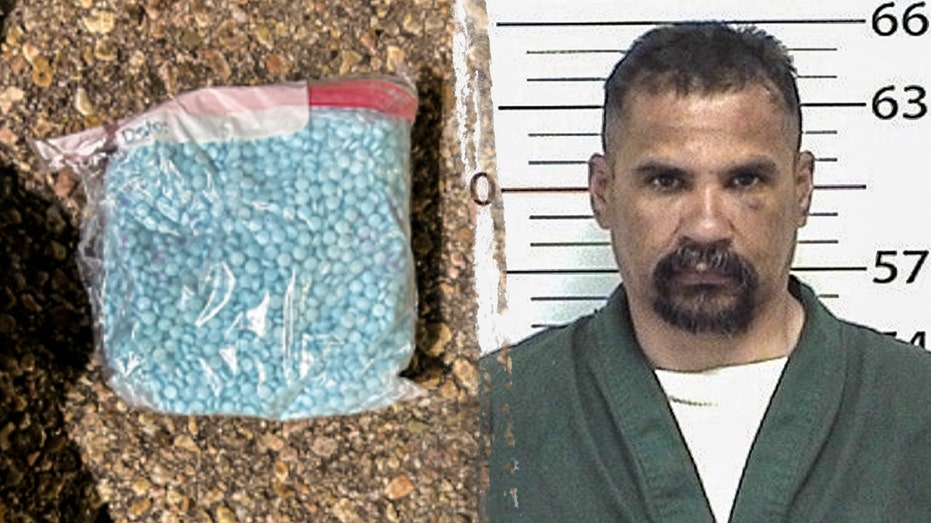
Police later identified the man as 46-year-old Charles Bradford. Authorities arrested him and charged him with first-degree burglary along with five misdemeanor counts. He is currently being held at the Cleveland County Detention Center on a $75,000 bond.
Unlocked Doors and an Uneasy Reality
Hodnik said his children had been playing outside the previous evening and may have left the front door unlocked. He acknowledged he did not double-check the lock before going to bed — something many families can relate to in neighborhoods they consider safe.
“I wish I would have checked,” he said. “But we shouldn’t live in a society where someone just walks into your front door.”
The family’s sense of security has been shaken — a reminder of how quickly ordinary life can be disrupted.
A Complicated Criminal History
After Bradford’s arrest, reports resurfaced detailing an extensive record that includes multiple arrests for assault and larceny. In 2002, he was convicted of first-degree manslaughter in the death of his cellmate while incarcerated.
The revelations have sparked frustration and alarm for the family involved.
“He shouldn’t have been on the street,” Hodnik said, pointing to what he described as a pattern of violent offenses.
Yet the case also underscores deeper, systemic questions. Following a prior conviction in Oklahoma City, prosecutors confirmed that Bradford had been placed into a mental health court program — an alternative approach designed to prioritize treatment and stability over traditional incarceration. Such courts are part of broader criminal justice reform efforts aimed at addressing underlying mental health conditions that can drive cycles of incarceration.
Officials are now reevaluating his participation in that program in light of the new charges.
The Bigger Picture: Accountability and Care
This disturbing incident highlights a tension communities across the country are wrestling with:
- How to keep families safe from harm.
- How to meaningfully address repeat offenses.
- How to ensure people with serious mental health needs receive real, sustained support — not just temporary supervision.
Mental health courts were created to break punitive cycles that warehouse people in prisons without treatment. But without adequate funding, long-term services, and careful oversight, such programs can falter — leaving both vulnerable individuals and the broader public at risk.
For advocates of reform, the solution is not simply more incarceration. Decades of “tough on crime” policies have filled prisons without solving root causes. Instead, experts point to the need for fully funded mental health infrastructure, supportive housing, consistent monitoring, and trauma-informed community care.
For Hodnik and his children, however, the policy debate is deeply personal. He admitted feeling conflicted — disturbed by the intrusion yet aware that the man in his home is also someone who has cycled through a system that has clearly failed to rehabilitate him.
“I felt bad for him,” Hodnik said. “But he came into my home and laid in my kid’s bed.”
As Bradford remains in custody awaiting further proceedings, this case stands as a stark reminder that community safety and humane justice reform are not opposing goals. Both require serious investment, accountability, and a commitment to building a society where families can sleep safely — and where people struggling with severe mental health challenges aren’t left to fall through the cracks until tragedy strikes.
Think Different. Think Radical.