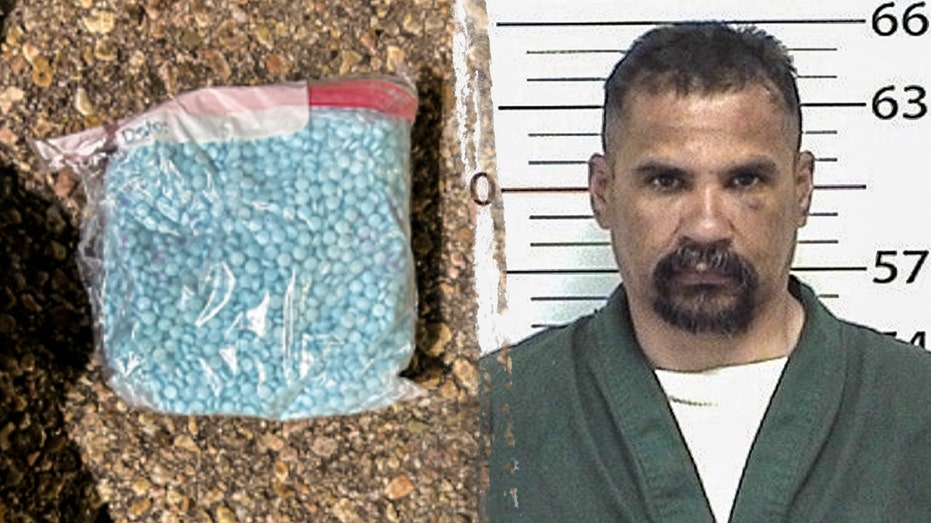
Colorado Drug Trafficker Sentenced to 159 Years as Fentanyl Crisis Devastates Communities
A Colorado man convicted of operating a large-scale drug distribution network will now spend the rest of his life in prison after authorities say he possessed enough fentanyl to devastate nearly an entire county. Carlos Gonzalez-Del Hoyo, 44, of Aurora, was sentenced to 159 years in the Colorado Department of Corrections following a jury’s decision in January finding him guilty on six felony counts tied to methamphetamine and fentanyl distribution.
The sentence, handed down by Weld County District Court Judge Annette Kundelius, comes amid an escalating opioid epidemic that has ravaged working-class communities across the country. Prosecutors said Gonzalez-Del Hoyo’s operation funneled massive quantities of drugs into northern Colorado, endangering tens of thousands of lives in the pursuit of profit.
A Threat Measured in Lives
Chief Deputy District Attorney Michael Pirraglia stated that the amount of fentanyl recovered in the case was so significant that, if distributed, it could have killed up to 88% of Weld County’s population. Weld County is home to roughly 360,000 residents, making it one of the largest counties in Colorado.
“This sentence reflects the extreme danger this defendant’s large-scale trafficking posed,” Pirraglia said, emphasizing the potentially catastrophic human toll.
Fentanyl, a powerful synthetic opioid, has become a leading driver of overdose deaths nationwide. Often pressed into counterfeit pills, it can be lethal in minuscule amounts. Public health advocates warn that the proliferation of illicit fentanyl is not just a criminal justice issue, but a profound social crisis rooted in addiction, economic precarity, and gaps in healthcare access.
Undercover Investigation Led to Arrest
The Weld County Drug Task Force began investigating Gonzalez-Del Hoyo in September 2024 after receiving intelligence that he was distributing large quantities of narcotics throughout the region. Over the course of the investigation, authorities say he sold drugs to undercover officers multiple times.
At the time, Gonzalez-Del Hoyo was on parole for a prior motor vehicle theft conviction out of Adams County, raising further concerns about supervision and accountability systems intended to prevent repeat offenses.
He was arrested in November 2024 during a traffic stop in Greeley. According to investigators, officers discovered approximately 11 pounds of methamphetamine and around 6,000 counterfeit pills containing fentanyl inside his vehicle — a haul that prosecutors described as both calculated and deeply dangerous.
A Broader Crisis Demands Broader Solutions
Prosecutors characterized the operation as predatory and profit-driven, alleging that Gonzalez-Del Hoyo knowingly exploited people struggling with addiction. While the lengthy sentence reflects the severity of the charges, the case also highlights the broader structural failures that allow illicit drug markets to thrive.
Across Colorado and the nation, families are grappling with the fallout of an opioid epidemic that has been fueled by pharmaceutical industry misconduct, economic inequality, and insufficient investment in mental health infrastructure. Advocates argue that while accountability for large-scale traffickers is essential, meaningful change will also require:
- Expanded access to evidence-based addiction treatment and recovery services
- Stronger harm-reduction programs, including overdose prevention resources
- Investment in stable housing and economic opportunity
- Comprehensive public health strategies to address substance use disorders
The Colorado Legislature has adopted tougher penalties in recent years for those convicted of distributing large quantities of fentanyl. Prosecutors said this sentence reflects that legislative mandate and aims to send a message that large-scale trafficking operations will face severe consequences.
But as communities continue to mourn thousands of preventable overdose deaths each year, many advocates stress that lasting solutions must go beyond punishment alone. The fight against fentanyl will depend not only on disrupting supply chains, but on building a society where fewer people are pushed to the margins — and where healthcare, dignity, and opportunity are accessible to all.